Related Product
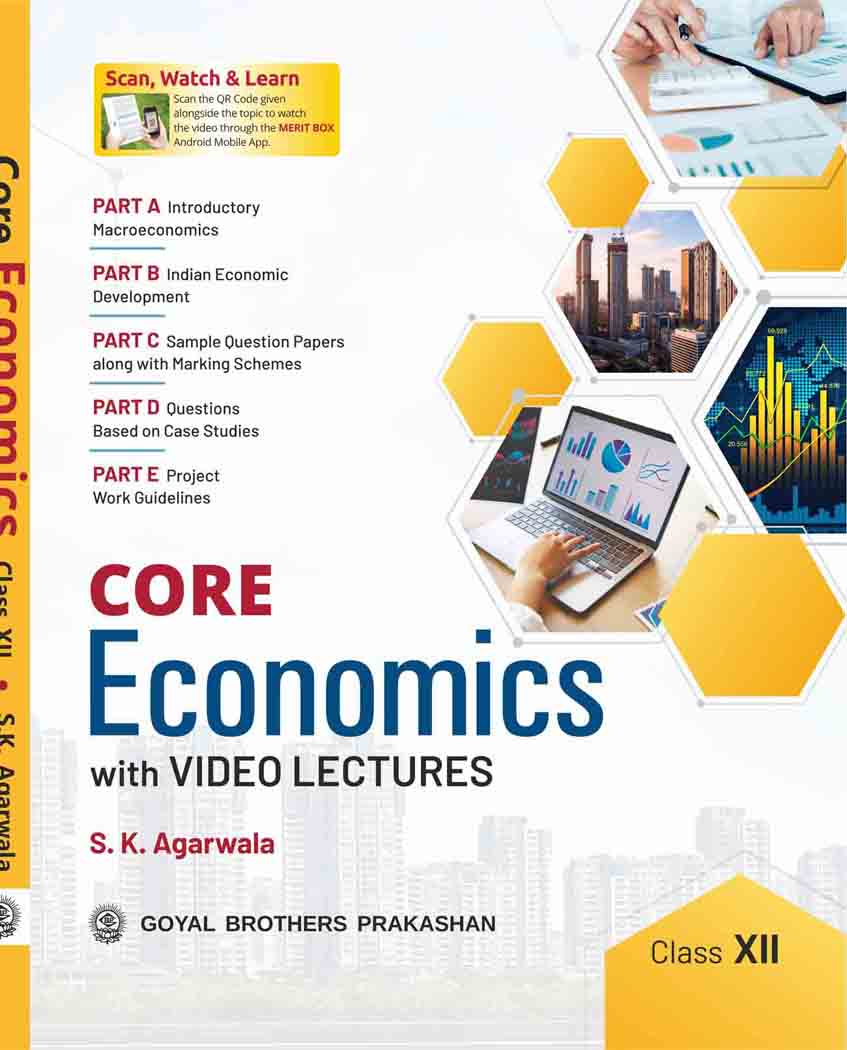
CBSE - Core Economics for Class 12
About the Books Written...
The user didn't specify a tone, but for a long article, a respectful, informative, and reflective tone works. Avoid overly academic jargon but maintain depth. Aim for 1500+ words. Structure: Introduction with verse and translation, then Context in Surah Al-Baqarah, Linguistic Analysis, Tafsir of the Two Groups, The Believers' Superior Love, Theological Implications, Practical Takeaways, Conclusion. Use subheadings for readability.
To understand the warning, we must first understand the term Andaad (أنداد). Literally, it means "equals," "opponents," or "rivals." In the pre-Islamic era of Jahiliyyah, this referred literally to statues and deities. However, classical and contemporary scholars (including Ibn Kathir, Al-Tabari, and modern exegetes) argue that Andaad can be anything a person elevates to a status that rivals their devotion to Allah.
Wa minan naasi mai yattakhizu min doonil laahi andaadai yuhibbunahum ka-hubbillaah; wallazeena aamanuu ashaddu hubbal lillaah. The user didn't specify a tone, but for
The Prophet ﷺ taught us to ask Allah directly: "O Allah, grant me Your love, and the love of those who love You, and the love of actions that bring me closer to Your love." (Tirmidhi). Love is a gift from Allah; ask for it.
This single sentence, with its pivotal phrase establishes a profound theological and spiritual framework. It does not merely condemn idol worship; it dissects the very psychology of love, loyalty, and misplaced devotion. Literally, it means "equals," "opponents," or "rivals
May Allah make us among those whose love for Him is ashaddu —stronger than any other love. May He purify our hearts from the hidden idols of ego, wealth, and status. And may He grant us the supreme success of looking upon His Noble Face in Paradise. Ameen.
While the love of the polytheist or materialist is divided, fragile, and conditional, the love of the believer for Allah is concentrated, absolute, and unconditional. 2. The Nature of True Love ( Hubb ) in Islam even when it contradicts desire.
The user likely wants an in-depth theological and spiritual explanation. They might be a student, a teacher, or someone seeking deep understanding of Islamic concepts of love (hubb) and Tawheed (monotheism). The deep need isn't just a translation, but an exploration of the contrast: misplaced love for creations versus the supreme love for the Creator. They want clarity on why believers' love is "ashaddu" (stronger).
, this is a request for a long article on a specific Quranic verse, Al-Baqarah 165, focusing on the phrase "yuhibbunahum kahubbillah wallazina amanuu ashaddu hubban lillah". The user wants a detailed piece.
When a person loves an idol—be it money, power, or a stone statue—with veneration and submission, they have committed shirk (associating partners). When a believer loves Allah, that love is not just "more intense"; it is . It is a love that demands total obedience, even when it contradicts desire.
About the Books Written...