 Více o aplikaci
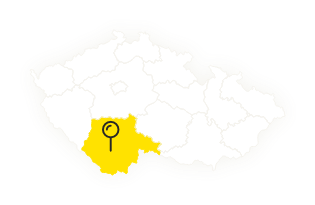
Obec Jankov
Jankov 46
373 84 p. Dubné
IČ: 00245020
DIČ: CZ00245020
In entertainment, spanking is sometimes depicted as a disciplinary measure, often used for comedic effect or as a plot device to explore themes of authority, obedience, and power dynamics. However, such portrayals can be problematic, as they may trivialize or normalize the use of physical punishment, potentially influencing viewers' perceptions of acceptable behavior.
Lupus is an unpredictable, often debilitating disease. Associating it directly with sexualized or sensationalized content can trivialize the genuine suffering of patients.
: Content containing terms associated with physical punishment or adult themes is automatically age-restricted or demonetized, separating it from mainstream educational media. 3. Pop Culture and Satirical Contexts
By seeking out these resources, individuals can gain a better understanding of lupus and find support. Accurate and sensitive information helps to foster awareness and empathy. In entertainment, spanking is sometimes depicted as a
The intersection of niche medical imagery and mature entertainment represents a complex, often controversial, corner of modern media content. When examining search trends like "," it is important to analyze why these topics merge and what impact they have on digital consumption.
Patients often deal with severe pain, fatigue, and social isolation. Content that treats the symptoms as mere props for entertainment can feel disrespectful.
The goal of modern media content regarding lupus is to transform "pain into power," using pictures and stories to ensure that no one has to navigate the complexities of an autoimmune journey alone. Pop Culture and Satirical Contexts By seeking out
The intersection of chronic illness and modern media has fundamentally transformed how the public perceives complex health conditions. For decades, systemic lupus erythematosus (SLE)—a chronic autoimmune disease where the immune system mistakenly attacks healthy tissues and organs—remained widely misunderstood or entirely invisible in popular culture.
Media content often documents discoid lesions, hair loss (alopecia), and skin ulcers to help patients recognize flares and seek early intervention.
The intersection of health awareness, digital media trends, and niche online searches often creates unusual keyword combinations, such as While this specific phrase blends completely unrelated concepts—ranging from a serious autoimmune disease to niche behavioral subcultures and digital media formats—it highlights how search engine algorithms and content creators navigate complex, multi-layered search intents. When it is featured
Historically, lupus has been underrepresented in film, television, and digital media. When it is featured, it's often in a dramatic or tragic context, which can perpetuate stereotypes and stigmatize those living with the condition. However, there's a growing trend towards more nuanced and realistic portrayals, thanks in part to advocacy efforts by lupus organizations and individuals willing to share their stories.
If you are producing any media that touches two of these three pillars, follow these rules:
: Raised, red, scaly patches that can appear on the skin and cause scarring.
In entertainment, spanking is sometimes depicted as a disciplinary measure, often used for comedic effect or as a plot device to explore themes of authority, obedience, and power dynamics. However, such portrayals can be problematic, as they may trivialize or normalize the use of physical punishment, potentially influencing viewers' perceptions of acceptable behavior.
Lupus is an unpredictable, often debilitating disease. Associating it directly with sexualized or sensationalized content can trivialize the genuine suffering of patients.
: Content containing terms associated with physical punishment or adult themes is automatically age-restricted or demonetized, separating it from mainstream educational media. 3. Pop Culture and Satirical Contexts
By seeking out these resources, individuals can gain a better understanding of lupus and find support. Accurate and sensitive information helps to foster awareness and empathy.
The intersection of niche medical imagery and mature entertainment represents a complex, often controversial, corner of modern media content. When examining search trends like "," it is important to analyze why these topics merge and what impact they have on digital consumption.
Patients often deal with severe pain, fatigue, and social isolation. Content that treats the symptoms as mere props for entertainment can feel disrespectful.
The goal of modern media content regarding lupus is to transform "pain into power," using pictures and stories to ensure that no one has to navigate the complexities of an autoimmune journey alone.
The intersection of chronic illness and modern media has fundamentally transformed how the public perceives complex health conditions. For decades, systemic lupus erythematosus (SLE)—a chronic autoimmune disease where the immune system mistakenly attacks healthy tissues and organs—remained widely misunderstood or entirely invisible in popular culture.
Media content often documents discoid lesions, hair loss (alopecia), and skin ulcers to help patients recognize flares and seek early intervention.
The intersection of health awareness, digital media trends, and niche online searches often creates unusual keyword combinations, such as While this specific phrase blends completely unrelated concepts—ranging from a serious autoimmune disease to niche behavioral subcultures and digital media formats—it highlights how search engine algorithms and content creators navigate complex, multi-layered search intents.
Historically, lupus has been underrepresented in film, television, and digital media. When it is featured, it's often in a dramatic or tragic context, which can perpetuate stereotypes and stigmatize those living with the condition. However, there's a growing trend towards more nuanced and realistic portrayals, thanks in part to advocacy efforts by lupus organizations and individuals willing to share their stories.
If you are producing any media that touches two of these three pillars, follow these rules:
: Raised, red, scaly patches that can appear on the skin and cause scarring.