🚀 Built by a solo developer.
"This is a great way to jump to a particular window without having to hunt it down with the mouse."
— Lifehacker
"I wish I had found this app much earlier, because it would have saved me a lot of frustration in figuring out which of the 10 open windows in Safari has the tab I'm looking for."
— Medium
"I can see what's going on with the app much better, which helps my workflow."
— GroovyPost
"If you want an alternative to AltTab that includes previews of your apps when you hover over their icon in the dock, try DockDoor."
— Yahoo
"The app allows users to manage and interact with application windows on their desktops. It emphasizes ease of use and seamless integration with the macOS environment."
— Mac Treasure
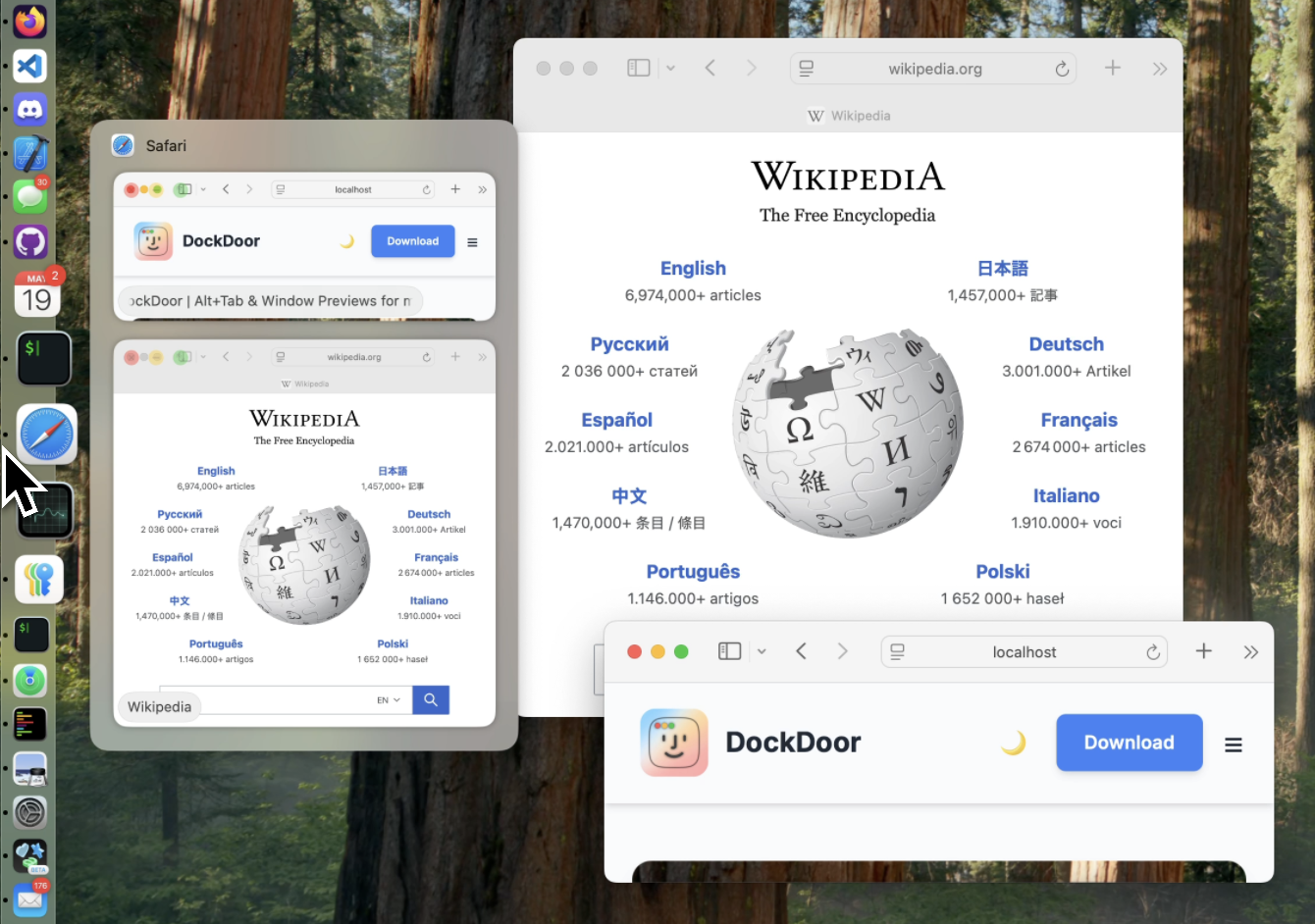
"In Windows, when you hover over an app on the taskbar, the operating system shows you the open windows for that app, a useful feature missing in macOS until now with the introduction of the free menu bar app DockDoor."
— AppAddict
"It's free, open-source, and honestly, Apple should have bought this developer out by now."
— Medium
"This is a great way to jump to a particular window without having to hunt it down with the mouse." free fulldom of expression dani daortiz pdf
— Lifehacker
"I wish I had found this app much earlier, because it would have saved me a lot of frustration in figuring out which of the 10 open windows in Safari has the tab I'm looking for."
— Medium
"I can see what's going on with the app much better, which helps my workflow."
— GroovyPost
"If you want an alternative to AltTab that includes previews of your apps when you hover over their icon in the dock, try DockDoor."
— Yahoo
"The app allows users to manage and interact with application windows on their desktops. It emphasizes ease of use and seamless integration with the macOS environment."
— Mac Treasure
"In Windows, when you hover over an app on the taskbar, the operating system shows you the open windows for that app, a useful feature missing in macOS until now with the introduction of the free menu bar app DockDoor."
— AppAddict
"It's free, open-source, and honestly, Apple should have bought this developer out by now."
— Medium
Your data stays on your Mac. Always.
No cloud, no servers, no external connections. Even debug logs stay on your Mac.
We don't collect analytics, usage data, or personal information. Not even crash reports.
Full transparency. Review our code, contribute, help with translations, or build it yourself.
Transform your Mac workflow with intuitive window management
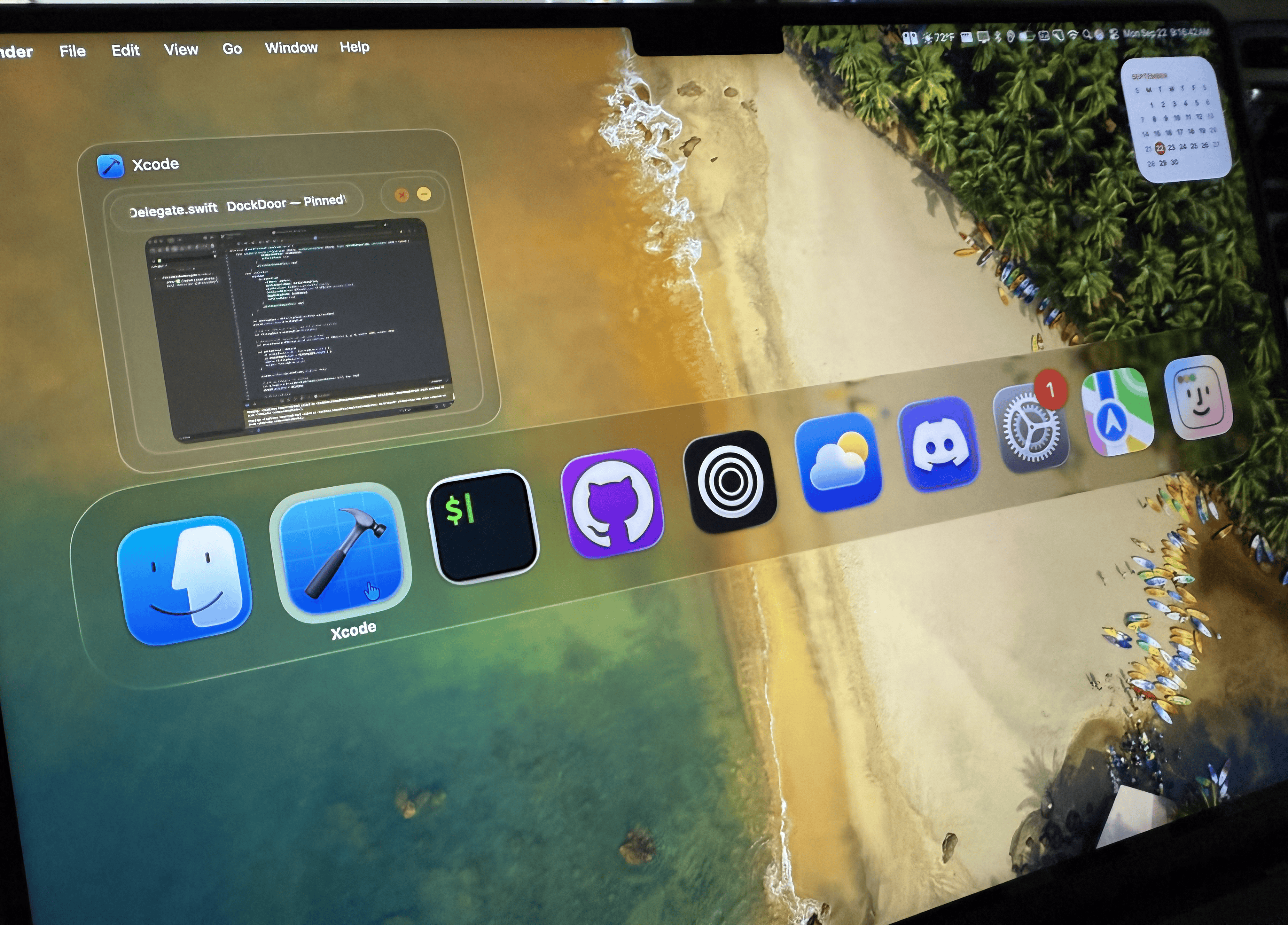
Hover over any dock icon to see live previews of all windows. Click to switch or manage without changing focus.
Press Option+Tab for Windows-style window switching with live previews. Fast, familiar, and efficient.
Enhance the native macOS Command+Tab experience with richer previews and smoother navigation.
Customize DockDoor to match your workflow preferences
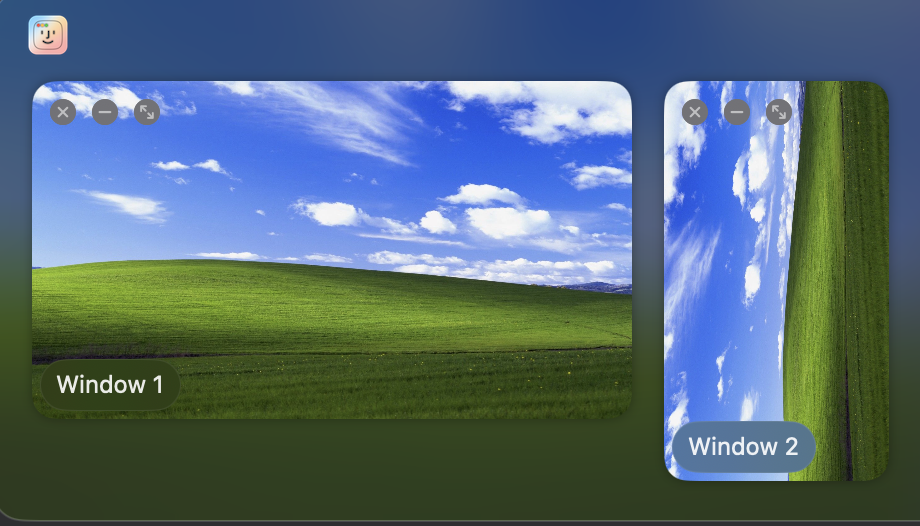
Personalize your dock preview experience with different layout options. Adjust spacing, sizing, and arrangement to suit your needs.
Choose from different visual styles and layouts for your window switcher. Customize the appearance to match your workflow and visual preferences.
Customize every aspect of DockDoor to fit your needs
Fine-tune dock hover behavior, preview thresholds, and per-feature toggles for dock interactions.
Configure Alt+Tab behavior, sorting, layout direction, and compact mode thresholds.
Replace the native Cmd+Tab with DockDoor's enhanced overlay, with its own appearance and behavior settings.
Customize the look and feel of previews, colors, window sizing, and visual effects.
Configure trackpad gestures, keyboard shortcuts, and window positioning actions.
Choose which apps show in previews, and configure media controls and calendar widgets on dock hover.
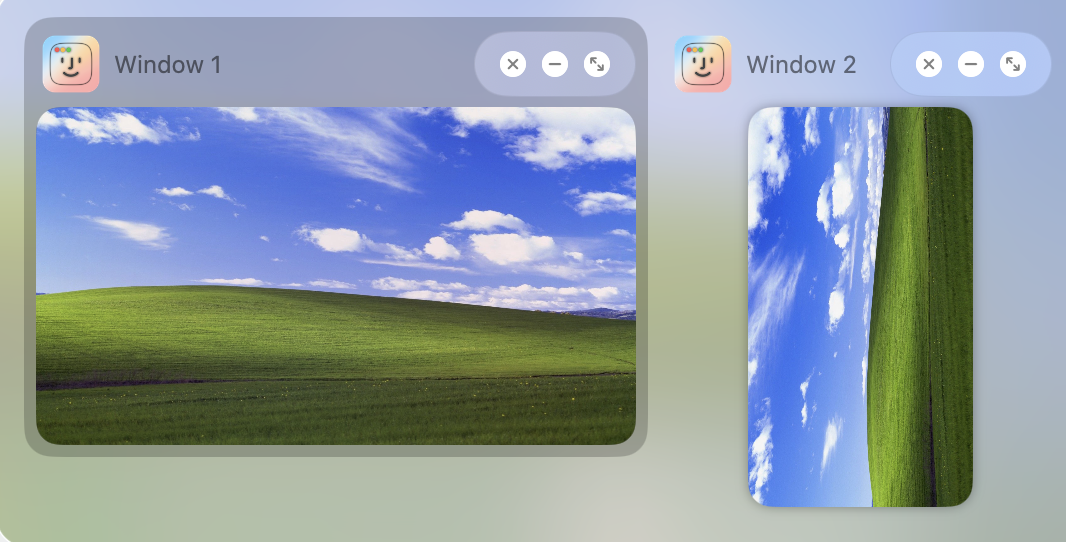
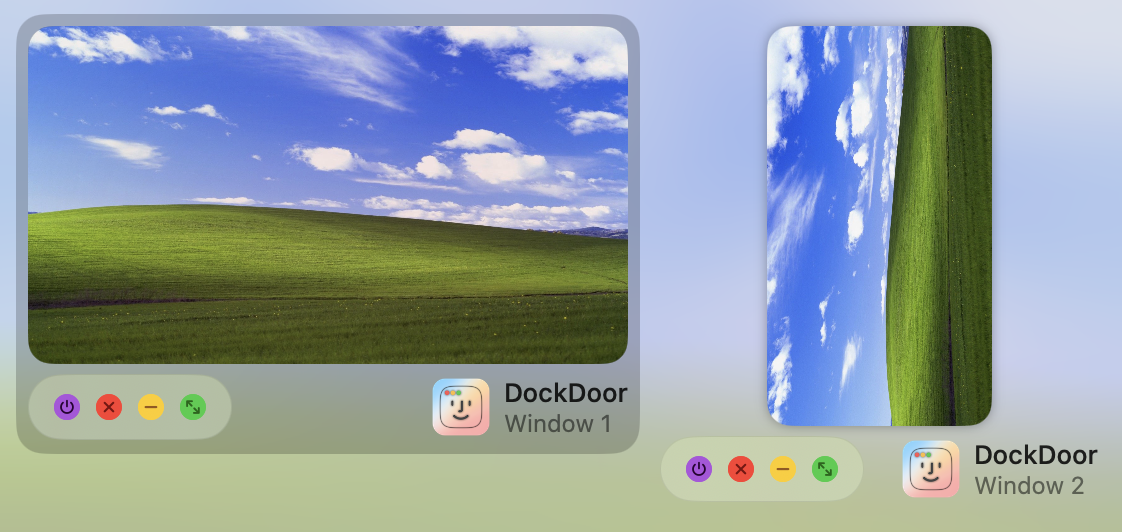
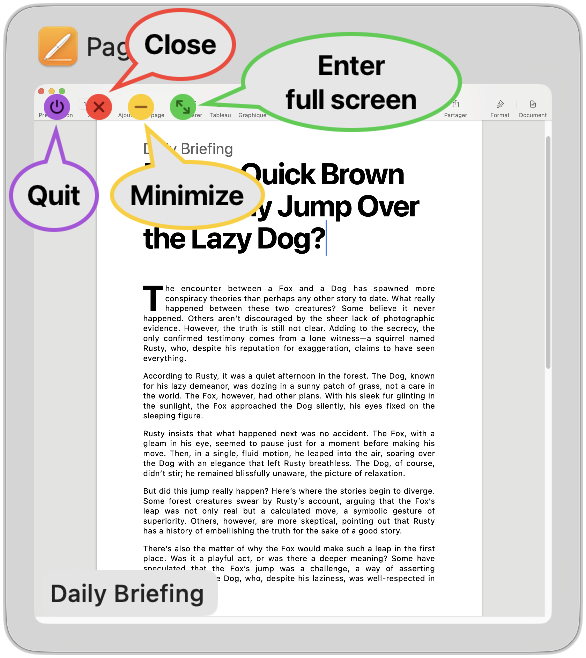
Window controls exactly where you need them
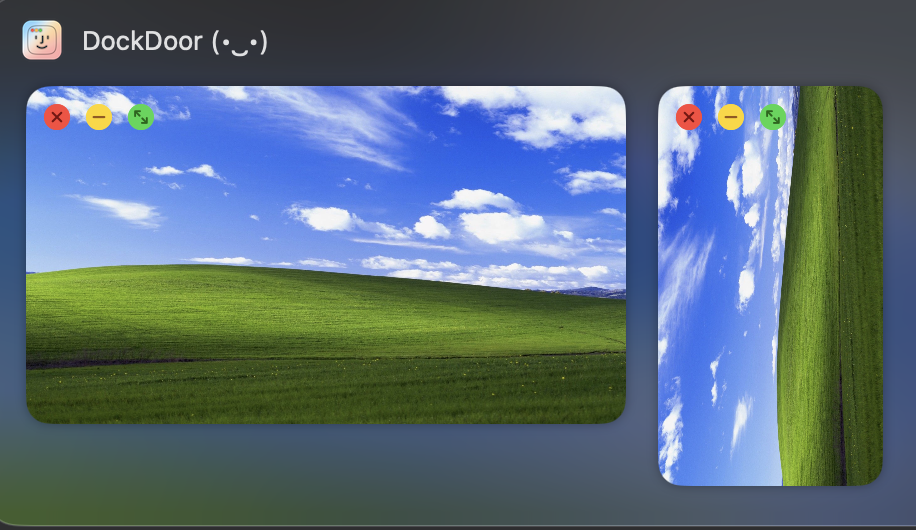
DockDoor adds intuitive window controls to each preview. Close, minimize, or maximize windows with just one click, without having to switch focus.
Navigate and control windows entirely with your keyboard
Tab forward, Shift backward, or use arrow keys to navigate through windows
Select, close, quit, or minimize windows
Open Window Switcher and navigate without touching your mouse
While the term "free" is often used in search queries for this book, it is a copyrighted work. Magic Review - Chaos Project Chapter 1 by Dani DaOrtiz
The central theme of the book is that . Dani argues that the success of a psychological force depends entirely on the magician's attitude —specifically, a sense of "carelessness" that removes any feeling of tension or suspicion. Key Concepts and Techniques
The book breaks down the complex psychology behind making card magic look entirely natural and hands-off.
The book is widely considered a "must-read" for serious practitioners of mentalism and card magic who wish to move beyond sleight of hand and into the realm of mental manipulation. psychological forcing techniques mentioned in the book, or perhaps look for video performances where Dani applies these concepts? Freedom of Expression
: Keep an eye out for workshops, online courses, or live performances by Dani Daortiz. These can be invaluable learning experiences, offering insights into his techniques and creative processes.
The book provides an "arsenal" of psychological weapons designed to "get into the spectator's brain":
: Reviewers from Vanishing Inc. and Michael Close Magic note that the principles can be applied to any performance style, even for those who don't want to copy Dani's "chaotic" persona.
If you are trying to master a specific concept from Dani DaOrtiz, let me know:
Using verbal cues, timing, and body language to steer a spectator toward a specific card, number, or color. 🛠️ Key Techniques & Contents
To the uninitiated, magic is a series of rigid steps, moves, and sleights. For Dani DaOrtiz, magic is an open conversation. His philosophy centers on giving the audience the illusion of total control and absolute freedom, while the magician subtly guides the outcome. 1. The Illusion of Choice
: It is not for absolute beginners. While the technical sleights aren't overly complex, the timing and audience management require significant practice.
The best way to study this material—and to ensure you are getting the full context, video demonstrations, and nuanced explanations—is to purchase it through authorized magic dealers. Penguin Magic Vanishing Inc. Magic
Strategies for forcing cards without even using a physical deck.
True freedom in performance means being able to drop your script entirely when an unexpected opportunity arises. Traditional Approach The Free Expression Approach Ruined routine; panic. An opportunity to pivot to a better effect. Spectator Handling Strict instructions given. Spectator handles cards naturally; magician adapts. Pacing Metronomic, rehearsed timing. Dynamic, chaotic, changing with room energy. The Deck Pristine, squared, treated with care. Borrowed, shuffled, disorganized, organic. Embracing the Pivot
DockDoor is built by a solo developer and kept 100% free.
Every contribution directly funds development and keeps the project alive.
Your support funds new features, bug fixes, and ongoing maintenance. No subscriptions, no ads, no data selling. Just community support.
Support DevelopmentEven $3 makes a huge difference
Free for macOS 13 Ventura and later
While the term "free" is often used in search queries for this book, it is a copyrighted work. Magic Review - Chaos Project Chapter 1 by Dani DaOrtiz
The central theme of the book is that . Dani argues that the success of a psychological force depends entirely on the magician's attitude —specifically, a sense of "carelessness" that removes any feeling of tension or suspicion. Key Concepts and Techniques
The book breaks down the complex psychology behind making card magic look entirely natural and hands-off.
The book is widely considered a "must-read" for serious practitioners of mentalism and card magic who wish to move beyond sleight of hand and into the realm of mental manipulation. psychological forcing techniques mentioned in the book, or perhaps look for video performances where Dani applies these concepts? Freedom of Expression
: Keep an eye out for workshops, online courses, or live performances by Dani Daortiz. These can be invaluable learning experiences, offering insights into his techniques and creative processes.
The book provides an "arsenal" of psychological weapons designed to "get into the spectator's brain":
: Reviewers from Vanishing Inc. and Michael Close Magic note that the principles can be applied to any performance style, even for those who don't want to copy Dani's "chaotic" persona.
If you are trying to master a specific concept from Dani DaOrtiz, let me know:
Using verbal cues, timing, and body language to steer a spectator toward a specific card, number, or color. 🛠️ Key Techniques & Contents
To the uninitiated, magic is a series of rigid steps, moves, and sleights. For Dani DaOrtiz, magic is an open conversation. His philosophy centers on giving the audience the illusion of total control and absolute freedom, while the magician subtly guides the outcome. 1. The Illusion of Choice
: It is not for absolute beginners. While the technical sleights aren't overly complex, the timing and audience management require significant practice.
The best way to study this material—and to ensure you are getting the full context, video demonstrations, and nuanced explanations—is to purchase it through authorized magic dealers. Penguin Magic Vanishing Inc. Magic
Strategies for forcing cards without even using a physical deck.
True freedom in performance means being able to drop your script entirely when an unexpected opportunity arises. Traditional Approach The Free Expression Approach Ruined routine; panic. An opportunity to pivot to a better effect. Spectator Handling Strict instructions given. Spectator handles cards naturally; magician adapts. Pacing Metronomic, rehearsed timing. Dynamic, chaotic, changing with room energy. The Deck Pristine, squared, treated with care. Borrowed, shuffled, disorganized, organic. Embracing the Pivot